Tiered Link Building With GSA SER
Understanding Tiered Link Building
Tiered link building is a sophisticated SEO strategy designed to amplify the power of your backlinks without directly risking your main website. The concept involves creating multiple layers of links. The first tier consists of high-quality, contextual links pointing directly to your money site. The second tier points links at those first-tier properties, and a third tier can point to the second tier, and so on. The goal is to funnel link equity upwards, strengthening the links that touch your site while insulating it from any low-quality signals.
Why GSA SER Transforms the Process
GSA Search Engine Ranker (GSA SER) is a powerhouse tool that automates link creation across countless platforms. When applied to a tiered structure, it becomes the engine for building vast, supporting networks. Manually constructing hundreds of second and third-tier links is impossible, but tiered link building with GSA SER makes it scalable. You can configure the software to target specific platforms, spin content, and drip-feed links, all while maintaining control over quality thresholds for each tier.
Core Benefits of Automating Tiers with GSA SER
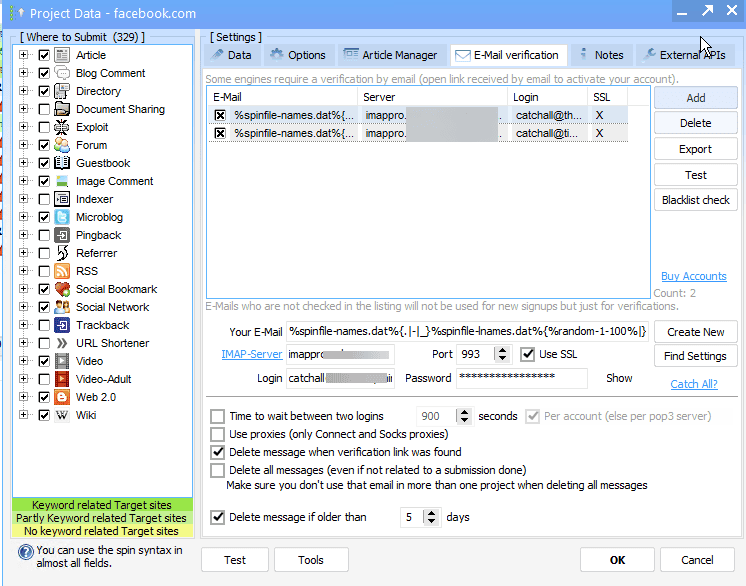
- Massive Volume, Controlled Quality: Generate thousands of supporting links while setting filters for domain authority, page rank, and OBL (outbound links).
- Indexing Acceleration: Lower-tier links help search engine crawlers discover and index your valuable first-tier backlinks faster.
- Risk Mitigation: The most aggressive and automated link types are pushed to tier 3, far from your money site, preserving its integrity.
- Anchor Text Manipulation: Use exact match anchors in lower tiers to influence relevance signals passing upward, while keeping your money site’s profile natural.
Structuring a Safe and Effective Campaign
Success depends on a logical architecture. A common blueprint for tiered link building with GSA SER looks like this:
Tier 1: The Hand-Crafted Foundation
These links point directly to your website. They must be high-quality and editorial. Never point GSA SER directly at your money site.
- Guest posts on real blogs
- Niche-relevant forum profiles and posts
- Manual web 2.0 properties with original content
- Business directory listings
get more info
Tier 2: The Automated Booster
These links point to your Tier 1 properties. Here, GSA SER starts to shine, but quality filters remain high. Content should be spun to be readable.
- Article directories
- Social bookmarks
- Wiki pages
- Lower-tier web 2.0 blogs
Tier 3: The Raw Power Layer
This tier points to your Tier 2 links. Here, you can loosen restrictions and leverage the full brute force of GSA SER with minimal filtering. The goal is sheer link volume to propel indexing and pass generic equity.
- Blog comments
- Trackbacks
- Forum profiles
- Guestbooks
Essential GSA SER Settings for Tiered Projects
Misconfiguration is the biggest pitfall. When executing tiered link building with GSA SER, adhere to these guidelines:
- Project Separation: Create entirely separate projects for Tier 2 and Tier 3. Never mix target URLs from different tiers in the same project.
- Proxy Quality: Use dedicated or semi-dedicated proxies. Public proxies will cripple your success rate and risk footprint contamination.
- Content Strategy: For Tier 2, use heavily spun articles with paragraph and sentence-level spinning. For Tier 3, generic spun comments and profiles are acceptable.
- Filter Aggressively for Tier 2: Enable strict filters like minimum PageRank, maximum OBL, and skip sites with too many outbound links. Tier 3 can use minimal filters.
- Verification Timing: Set link verification to occur after a delay (e.g., 3-7 days) because many platforms approve links slowly. Don't flood Tier 1 properties with unverified blasts.
Common Misconceptions About Automated Tiers
Many believe any automation is toxic. The reality is that search engines are not monolithic. The disavow tool exists precisely because layers of links exist. Tiered link building with GSA SER exploits a simple truth: a link’s value is heavily influenced by the links pointing to it. A moderate guest post can outperform an editorial link from a dormant page simply because it has hundreds of supporting links driving contextual relevance and authority to it. The key is never to let the automated fingerprints land on your money site.
FAQs
Is tiered link building with GSA SER still effective in today’s SEO landscape?
Yes, when executed with a clear understanding of risk layering. It is not a replacement for earning high-quality editorial links, but it remains a potent method for boosting the links you already control. The effectiveness depends entirely on content quality in Tier 1 and sensible filter settings in GSA SER.
Can I point GSA SER directly at my money site if I use very strict filters?
This is highly discouraged. Even strict filters can let through pages that become spammy later. The entire philosophy of tiered link building is to create a buffer. Always keep automated links at least one tier away from your main domain.
What content should I use for Tier 2 and Tier 3 campaigns?
Tier 2 content must be versatile and heavily spun to achieve a decent uniqueness score across thousands of submissions. Use tools like WordAI or SpinRewriter before importing to GSA SER. Tier 3 can use generic snippets, random comments, and auto-generated profiles without much concern for readability.
How fast should I build links in the lower tiers?
Start slowly and ramp up. For a new Tier 1 property, drip-feed Tier 2 links over weeks. Overwhelming a fresh web 2.0 blog with 10,000 links in a day looks unnatural and can get the property deleted. Set GSA SER to limit submissions per day per project and increase gradually.
Does the anchor text ratio matter in lower tiers?
Absolutely. For Tier 2 and Tier 3, you can be more aggressive with exact match and partial match anchors because they are one step removed. However, avoid using a single anchor text above 5-10%. Diversify heavily with generic, branded, naked URL, and LSI keywords to keep the profile appearing organic.